


Medical solutions
Medical Device Company

A medical device company creates diagnostic, treatment, and prevention gadgets as well as surgical equipment for a variety of medical diseases. Pacemakers, prosthetic joints, ventilators, stents, and strong depressors are examples of medical devices.
Medical device firms are critical to the life science industry because they develop novel technology to meet unmet medical needs in both established and emerging markets.
Increased innovation in medical technology, from surgical instruments and orthopedics to diagnostics and medical imaging, is being driven by the rising frequency of chronic diseases such as cancer and diabetes.
Such innovation has changed the way the medical device firm of today operates.
Medical Device Management
If you’re a medical device firm with products in the market, you’re responsible for keeping track of what’s going on with those products. In most circumstances, you are responsible for keeping your devices up to date and fixing any problems that arise.
Medical gadgets that are connected to the internet allow you to collect diagnostic data from them remotely. This guarantees that any equipment you have out in the field is safe to use. Your organization can set up alerts to notify you if a gadget malfunctions, allowing you to intervene early to avoid a negative outcome.
Medical device firms can also make better use of their maintenance labor with this real-time data. Rather than following a fixed, time-based maintenance schedule, they might be dispatched to the sites with the most pressing needs or concerns.
Innovations in the Modern Medical Device Company
Close collaboration with local medical practitioners, access to global research and technology, and worldwide regulatory needs have all aided innovation.
Access to the poorly regulated and fragmented private market is hampered by the lack of national evidence-based recommendations and mandatory continuing education for medical practitioners.
Thanks to technological innovations in the medical device industry, healthcare is being revolutionized. For example, if a doctor suspects that a patient has obstructive sleep apnea, there is no need for an in-lab test. The patient can have the test at home, which leads to better quality results since the patient is in their natural sleep environment.
At-Home Sleep Apnea Test
Your muscles relax as you sleep, including the muscles in your throat and chest that help you breathe. When you have sleep apnea, your throat muscles relax and your airway narrows, causing you to stop breathing.
An at-home sleep apnea test involves the use of equipment that monitors your breathing, oxygen levels, and breathing effort while you are wearing it. It does not fully capture what an overnight sleep study monitor in the lab does.
Overnight sleep tests allow for a more detailed evaluation of sleep problems. They are accompanied by a sleep technologist and capture a variety of other signals, such as sleep-related brainwaves, muscle tone, and leg movements.
An overnight sleep study at a sleep center may be preferable for those with certain heart, respiratory, or neuromuscular disorders.
The Facts About At-Home Sleep Apnea Test
The test only keeps track of your breathing, not your sleep. The sleep test won’t tell you how long you’ve been sleeping light or deep. Instead, it will track breathing pauses and absences, as well as the amount of effort required to breathe and whether your breathing is shallow.
Breathing patterns are detected using sensors. The sensors comprise a small probe that detects oxygen levels and is worn over your finger. Similar to an oxygen mask, you insert another mask with tubes into your nostrils and fasten it around your ears. Other sensors are attached to your abdomen and chest to track the rise and fall of your organs while you breathe.
The majority of sleep tests performed at home are only used for one night. They are also less expensive than a clinic sleep study.
A home sleep test is practical. You’ll be in the comfort of your own home with an at-home study, which could provide a more accurate picture of how you sleep.
It doesn’t fully rule out the possibility of apnea. Your results will be examined by a sleep technologist and emailed to your physician after the test. If your symptoms persist, your doctor may suggest an in-lab test. Home tests can be inaccurate at times: for example, your sensors may fall off throughout the night. In a lab, a physician is on-site to keep an eye on you.
Breathing problems do not cause all sleep disorders. You might not have apnea if your symptoms continue. Movement disorders that cause night-time restlessness, as well as a neurological illness that disrupts the body’s sleep-wake cycles and produces excessive sleepiness, are other prevalent sleep concerns that do not affect the airways. Your doctor can help you figure out what’s causing the problem.
Medical Device Manufacturer
Medical device manufacturing encompasses all areas of medical device production, from process design to scale-up and continuous process improvement. It also encompasses the sterilization and shipping of a gadget.
A medical device manufacturer seeks to be faster and more efficient throughout the manufacturing process, but they also want to be good corporate citizens. As a result, manufacturing necessitates ongoing research into renewable resources, sustainable materials, energy-efficient equipment, and waste-reduction techniques.
Improved processes, technological breakthroughs in machine or equipment components, and more reliable materials are all possible solutions to these problems. The packing process follows the same principles.
While speed and cost-cutting are critical for effective manufacturing, quality control is critical, especially as the medical device market shifts to a more value-driven marketplace. The next step is packaging validation, which involves demonstrating to the Food and Drug Administration that a product is sterile when it ships.
Many medical device firms thrive at the ideation, concept, and prototyping stages of product development and outsource component or whole device production to contract manufacturers. This is true for both established original equipment manufacturers and mid-sized and start-up businesses.
Contract manufacturers come in different shapes and sizes, with some being small, precise operations specializing in certain materials or components, and others being vast cleanroom facilities capable of large-scale manufacturing.
The Cost Incurred by a Medical Device Manufacturer
With a few major exceptions, manufacturing medical equipment is similar to other types of manufacturing. The non-BoM manufacturing costs of making devices can build up quickly, just as they might in other fields. The steps and costs involved in developing a medical device are typically increased by medical regulations and demanding quality criteria.
Regulators aren’t the only source of financial strain for medical device companies. The way hospitals purchase medical devices has changed significantly. According to reports, value analysis committees were employed by 100% of hospitals to evaluate new items under consideration.
It can be difficult to make a one-of-a-kind item work. It’s even more difficult to make a thousand things work equally well. Making medical equipment complicates the procedure even further. It can be done well, but it comes at a price.
Pacemakers, ventilators, and strong depressors are examples of such medical devices.
Conclusion
Both in-lab and at-home apnea tests measure vital functions, such as breathing patterns, heart rate, and oxygen levels. The results of these tests can help your doctor determine whether you have sleep apnea.
Polysomnography conducted in a lab is the most accurate test available to diagnose sleep apnea. At-home apnea tests have reasonable accuracy. They’re also more cost-effective and convenient.
Medical component manufacturers should produce high-quality medical components. Machines are built for precision and a clean manufacturing environment, guaranteeing that finished products are exact and hygienic, which is essential in the medical business.


Medical solutions
Oxygen Facial Treatments: What They Are, How They Work, and Why OxyGeneo Stands Apart

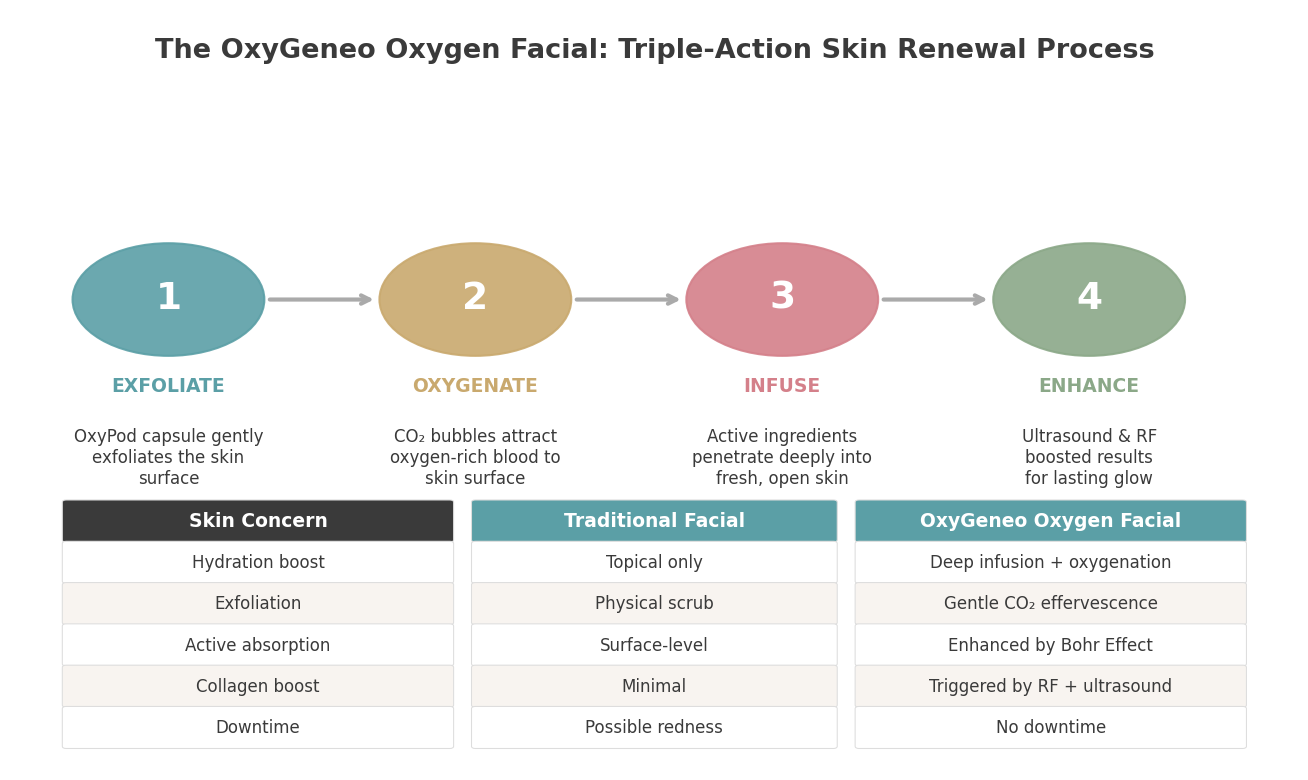
The oxygen facial has captured the imagination of skin enthusiasts and celebrities alike — and for good reason. Oxygen is fundamental to every cellular process in the skin. When oxygen levels in the dermis are optimised, skin cell renewal accelerates, collagen synthesis improves, and the complexion takes on the dewy, luminous quality that no amount of surface-level product application can replicate. But not all oxygen facials are equal, and understanding how different approaches to skin oxygenation compare is essential to choosing the right treatment.
What Is an Oxygen Facial?
An oxygen facial is a professional skin treatment that introduces elevated concentrations of oxygen to the skin — either through topical application, pressurised delivery, or by triggering the body’s own oxygenation response. The goal is to increase cellular oxygen levels in the epidermis and dermis, stimulating renewal, enhancing nutrient absorption, and producing an immediate brightening and plumping effect.
The market contains several distinct approaches to oxygen facial delivery. Pressurised oxygen machines spray oxygen and serums directly onto the skin surface. Hyperbaric oxygen chambers saturate the surrounding air. OxyGeneo, by contrast, takes a fundamentally different and clinically validated approach: rather than applying oxygen externally, it triggers the skin’s own natural oxygenation response from within — a mechanism based on the Bohr Effect.
The Bohr Effect: The Science Behind Internal Skin Oxygenation
The Bohr Effect is a well-established physiological principle: when CO₂ levels in the bloodstream rise, haemoglobin releases more oxygen to surrounding tissues. OxyGeneo harnesses this mechanism by creating a controlled CO₂ environment at the skin’s surface using the effervescent reaction between the OxyPod capsule and its complementary serum. The skin, sensing elevated surface CO₂, responds by sending oxygen-rich blood to the treatment area — increasing dermal oxygen concentration by up to 30% compared to baseline.
This internally-triggered oxygenation is more effective than topical oxygen application because it delivers oxygen through the vascular system — precisely where the skin’s fibroblasts, keratinocytes, and collagen-producing cells need it most.
OxyGeneo vs Pressurised Oxygen Facials: Key Differences
| Feature | Pressurised O₂ Facial | OxyGeneo Technology |
| Oxygen delivery method | External — sprayed onto surface | Internal — Bohr Effect triggers blood oxygenation |
| Skin penetration depth | Epidermis only | Dermal layer via vascular response |
| Exfoliation included | Separate step required | Built-in via OxyPod effervescence |
| Active ingredient absorption | Standard | Enhanced by oxygenation + permeability increase |
| Evidence base | Anecdotal / limited | Clinical studies, Pollogen by Lumenis data |
| Downtime | None | None |
The OxyPod System: Personalised Active Ingredients
What distinguishes the OxyGeneo oxygen facial experience from a standard oxygen treatment is the OxyPod system. Each OxyPod capsule contains a unique combination of active ingredients tailored to a specific skin concern. When combined with the complementary serum during treatment, the OxyPod creates the effervescent CO₂ reaction that triggers oxygenation while simultaneously releasing its active ingredients into freshly oxygenated, highly permeable skin.
- Geneo Illuminate: Kojic acid, Vitamin C, and carrot extract for brightening and pigmentation correction.
- Geneo Hydrate: Blue spirulina, niacinamide, and lactobionic acid for deep hydration and barrier repair.
- Geneo Revive: Almond oil and nourishing lipids for mature, dry skin requiring intensive renewal.
- Geneo Clarify: Charcoal and purifying actives for congested, oily skin.
- Geneo Energize: Cocoa bean, caffeine, and cinnamon oil for dull, fatigued skin needing circulation boost.
Immediate and Cumulative Benefits
One of the reasons oxygen facials are so popular is their ability to deliver visible results after a single session. The OxyGeneo treatment produces immediate improvements in skin luminosity, hydration, and texture that are noticeable within hours. With a course of treatments — typically 4–6 sessions spaced 1–2 weeks apart — cumulative benefits including improved skin tone evenness, reduced fine lines, and lasting hydration enhancement become progressively more apparent.
Who Is the Oxygen Facial Right For?
- Dull, tired complexions: The oxygenation response immediately revitalises sluggish cellular activity and produces a visible glow.
- Pre-event preparation: Oxygen facials are consistently popular as pre-wedding, pre-party treatments because of the immediate brightening and smoothing effect.
- Sensitive skin: The OxyGeneo mechanism is non-aggressive — no harsh abrasives, no microneedling — making it suitable for sensitive and reactive skin types.
- All skin types: The OxyPod customisation system allows the oxygen facial to be tailored to oily, dry, combination, or mature skin.
- Pigmentation and uneven tone: Oxygen-enhanced delivery of brightening actives makes the oxygen facial highly effective for pigmentation concerns when combined with the appropriate OxyPod.
Further Reading
For the full technical explanation of OxyGeneo technology, visit Geneo’s OxyGeneo technology page. For clinical studies supporting Geneo’s treatment outcomes, the Geneo clinical research page provides peer-reviewed evidence for the platform’s efficacy. For independent skincare technology analysis, AI Tech Publication on aesthetic innovations covers emerging treatment technologies.
Conclusion
The oxygen facial has evolved significantly from its origins as a celebrity pre-event treatment. OxyGeneo technology represents the most clinically advanced approach to skin oxygenation available: triggering the body’s own vascular oxygenation response, enhancing active ingredient absorption, and delivering personalised treatment through the OxyPod system — all without downtime and suitable for every skin type. For those seeking a luminous, hydrated, and renewed complexion, an OxyGeneo oxygen facial is among the most evidence-backed choices available.
Health And Beauty
Geneo+ vs. Oxygeneo: A Comparative Analysis
In the ever-evolving world of skincare, finding the right treatment for your skin can be a daunting task. Among the innovative solutions available, Geneo+ and Oxygeneo stand out as popular choices for those seeking rejuvenated, youthful skin. But how do these treatments differ, and which one is truly the best option for you? In this comprehensive analysis, we will delve into the unique features, benefits, and outcomes of Geneo+ and Oxygeneo. Whether you’re looking to enhance your skincare routine or simply curious about the latest in facial treatments, understanding these options will empower you to make an informed decision for your skin’s health and beauty. Join us as we explore the ultimate showdown between Geneo+ and Oxygeneo, and discover which treatment reigns supreme in delivering radiant results.
Geneo+ and Oxygeneo are both innovative facial rejuvenation technologies that offer a range of benefits for improving skin health and appearance. While they share some similarities, there are key differences between the two technologies.
Geneo+
Geneo+ is a three-in-one facial treatment that combines exfoliation, oxygenation, and nutrient infusion. It uses a unique capsule technology to deliver oxygen and nutrients to the skin while simultaneously exfoliating dead skin cells. Geneo+ also incorporates radiofrequency (RF) technology to stimulate collagen production and improve skin elasticity.
Oxygeneo
Oxygeneo is another innovative facial treatment that combines exfoliation, oxygenation, and infusion. It uses a patented technology to infuse oxygen and nutrients into the skin while gently exfoliating. Oxygeneo also offers the option of adding a variety of serums to target specific skin concerns.
Key Differences Between Geneo+ and Oxygeneo
| Feature | Geneo+ | Oxygeneo |
| Capsule Technology | Yes | No |
| Radio Frequency (RF) | Yes | No |
| Customizable Serums | No | Yes |
| Exfoliation Method | Mechanical | Chemical |
Benefits of Geneo+ and Oxygeneo
Both Geneo+ and Oxygeneo offer a range of benefits, including:
- Improved skin texture: Both technologies can help to refine pores and smooth the skin’s surface.
- Enhanced skin radiance: By removing dead skin cells and increasing oxygenation, both treatments can help to brighten the complexion.
- Reduced appearance of fine lines and wrinkles: The RF technology in Geneo+ and the nutrient infusion in both treatments can help to improve skin elasticity and reduce the appearance of aging signs.
- Hydrated skin: Both treatments can help to improve skin hydration and plumpness.
Choosing the Right Treatment
The best treatment for you will depend on your specific skin concerns and preferences. It is recommended to consult with a qualified skincare professional to determine which technology is most suitable for your needs.
In conclusion, both Geneo+ and Oxygeneo offer innovative and effective facial rejuvenation treatments. While they share some similarities, there are key differences between the two technologies. By understanding these differences, you can make an informed decision about which treatment is right for you.
Medical solutions
Antimicrobial Resistance – Everything You Need to Know
The world is no stranger to antibiotics, and it’s not just prescribed for human use. Antimicrobial resistance has been an issue for some time, with the CDC estimating that many people die each year by infections caused by these diseases. Here are some things we need to know about antimicrobial resistance.
Microbes like fungi and bacteria are responsible for just about every common infection, ranging from flus to stomach viruses. They evolve over time and their primary function is to reproduce and spread quickly and efficiently—all the while causing mayhem in our bodies. They evolve to adapt to their environment and ensure they survive any combating efforts like antibiotics.
What Is Antimicrobial Resistance?
This term is used to describe the event where disease causing microbes evolve over time and no longer respond to medication. When microbes like bacteria, fungi, parasites, and viruses become drug resistant, infections are much harder to treat and the risk of disease spread increases.
Moreover, the severity of the illness escalates—sometimes to the point of death. The eventuality is infections being extremely difficult to treat, or impossible altogether.

Causes of Resistance
Antibiotic Overuse
The prevalence of resistant microbes is greatly enhanced by the inappropriate use of antimicrobials.
Sometimes, medical practitioners make the mistake of inappropriately prescribing antimicrobials only to appease patients demanding so because they have incessant infections. Antimicrobials can also be wrongly prescribed before a diagnosis is actually made.
As such, healthcare providers should exhaust all diagnostic options to ensure they get the diagnosis of the infection right. After diagnosis they now can prescribe a specific antimicrobial or a broad spectrum one.
As a medical practitioner, minimize both prescription and over prescription of antibiotics. Don’t prescribe antimicrobials just because the patient expects you to prescribe antibiotics. The reason for this is because sometimes the infections ailing the patients are viral and antibiotics don’t work on viruses.
Mutations
Microbes are notorious for constant mutations to both adapt and reproduce. The mutations allow them to evolve rapidly and adapt to new environmental conditions. Some of these mutations can help the individual microbe survive exposure to antimicrobials, resulting in antimicrobial resistance (AMR).
Normally, antimicrobials kill microbes. If some microbes have developed resistance and don’t die, the resistant gene is then passed on to their offspring. For instance, bacteria multiply by the billions—terrifying I know.
Bacteria with the drug resistant gene may transfer a copy of this gene to other bacteria that was otherwise non-resistant. The newly resistant bacteria is now immune to antimicrobials and will now only thrive and multiply, rendering the whole idea of antimicrobials moot.
Other Potential Causes of Antimicrobial Resistance
Scientists have concluded that adding antibiotics to agricultural feed indeed does promote AMR. Most of the antibiotics produced actually are used for agricultural purposes. Be that as it may, it’s still foggy on whether drug resistant microbes in animals are a significant enough public health concern.
It is not uncommon for critically ill patients to develop infections necessitating some antimicrobial intervention. The increased use of antimicrobials can worsen the situation by selecting for antimicrobial resistant microbes.
The extensive use of the antimicrobials can be perceived as antibiotic overuse. This, coupled with close contact among the patients, creates the perfect environment for the spreading of drug resistant microbes.
Precautions like personal protective equipment such as gloves, masks and eye glasses should be used to combat this situation in hospitals. Moreover, it goes without saying that the hygiene in hospitals should be nothing short of impeccable.
Practices like handwashing or hand sanitization should be second nature. Hospital staff should also consistently practice appropriate handling and disposal of equipment like needles and clinical waste.
Some Common Drug-Resistant Microbes
There are several common drug resistant microbes but I’ll only mention one.
Staphylococcus Aureus
This pathogen is actually harmless and can be found on your skin or in your nose. This pathogen can however cause an infection once it finds itself inside a wound. It is resistant to lots of antimicrobials like methicillin.
Tomato Breeders and the Push Toward Innovative Specialty Varieties
Cloud Based Live Video Production and the AI Live Production Unit
Book Digitization, Copy Stands, and Digitizing the Autochrome Process

-

 Business Solutions2 years ago
Live Video Broadcasting with Bonded Transmission Technology
-

 Business Solutions1 year ago
The Future of Healthcare SMS and RCS Messaging
-

 Business Solutions2 years ago
2-Way Texting Solutions from Company Message Services
-

 Business Solutions2 years ago
Communication with Analog to Fiber Converters & RF Link Budgets
-

 DSRC Communication2 years ago
The Crossroads of Connectivity: DSRC vs. C-V2X Technologies in Automotive Communication
-

 Business Solutions2 years ago
Wholesale SMS Platforms with OTP Services
-

 Business Solutions2 years ago
Choosing the Right B2B Digital Marketing Agency: A Guide
-

 3D Technology2 years ago
How Multispectral Cameras Advance Book Scanning