Health And Beauty
What Do Tomato Breeders Actually Select For? A Look Inside Modern Variety Development


| Key Takeaways
• Tomato breeders select primarily for sugar content (Brix), fruit size consistency, disease resistance, and post-harvest shelf life. • Tomato Brown Rugose Fruit Virus (ToBRFV), first identified in Israel in 2014, has overcome older resistance genes and made virus tolerance a top breeding priority worldwide. • A Brix floor of 9.0 or higher is now a common breeding target, with some portfolios earning independent recognition such as a Superior Taste Award. • Breeding strategy differs by tomato format: roma-type varieties prioritize dense, low-moisture flesh for cooking, while snacking and specialty types prioritize sugar content for fresh eating. |
What do tomato breeders actually select for?
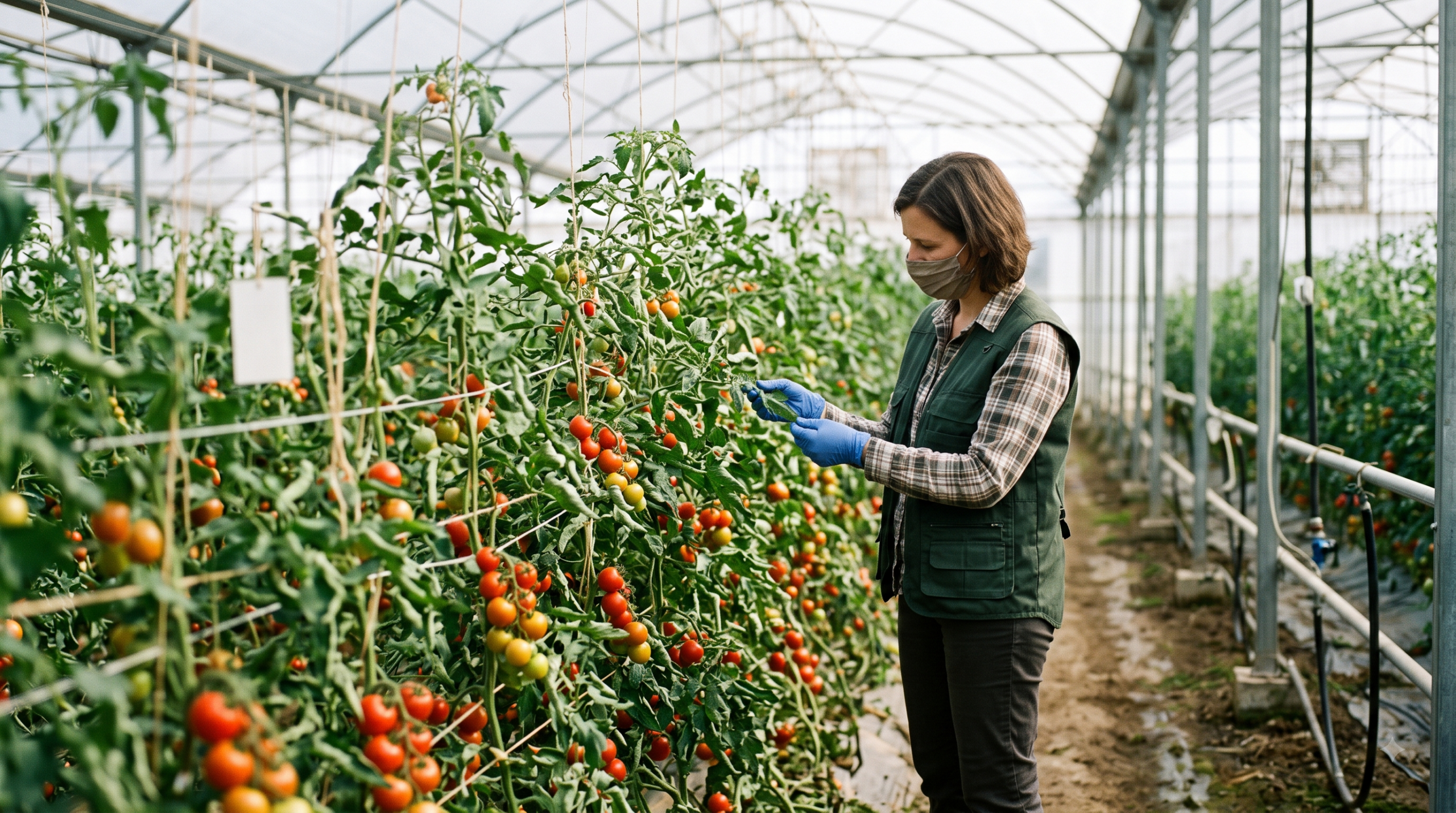
Tomato breeders select primarily for sugar content, fruit size consistency, disease resistance, and shelf life, since those four traits determine whether a variety can move from a research plot into commercial greenhouse or field production. Modern breeding programs report targeting Brix values (a measure of sugar content) of at least 9.0 across a variety’s portfolio, alongside fruit sizes ranging from roughly 10 grams for snack formats up to 100 grams for larger specialty types. Those targets sit alongside agronomic goals like compact, vigorous plant structure that reduces pruning labor, and reliable fruit set even when greenhouse temperatures spike during heat stress. A current view of that selection work is visible across current tomato variety breeding programs, where sweetness, size range, and resistance traits are bred into distinct product lines rather than a single generic tomato. None of these traits are selected in isolation, either: a fruit that hits a high Brix target but cracks under normal handling, or a plant that resists disease but sets fruit unreliably in a heat wave, still fails commercially even if it succeeds on paper against a single criterion.
Why has disease resistance become a priority for tomato breeders?
Disease resistance has become a top breeding priority because a single pathogen, Tomato Brown Rugose Fruit Virus (ToBRFV), has overwhelmed the resistance genes that protected greenhouse tomato crops for decades. According to a University of Massachusetts Extension fact sheet on the virus, ToBRFV was first identified in Israel in 2014 and has since been confirmed in greenhouse operations across the Middle East, Europe, and parts of Asia and North America, in part because the virus is mechanically stable and spreads easily through routine plant handling. The same fact sheet notes there are currently no tomato or pepper cultivars considered truly immune, which is why breeding programs describe resistance in terms of “strong, reliable tolerance” under high-pressure virus conditions rather than absolute immunity. The virus also transmits through bumblebee pollination and, at a very low rate, through infected seed, which means resistance breeding has to hold up against multiple transmission routes at once rather than a single point of entry a grower could simply control through sanitation. That combination, no fully immune cultivars and several transmission paths, is why ToBRFV tolerance has moved from a secondary consideration to one of the first traits screened when a new tomato line is evaluated for greenhouse release.
How is sweetness measured, and why does it matter to breeders?
Sweetness in tomato breeding is measured in Brix, a scale that reflects the concentration of dissolved sugars in the fruit’s juice, and it matters because Brix is one of the few flavor traits that can be scored objectively rather than by taste panel alone. Portfolios built around a Brix floor of 9.0 or higher have gone on to earn independent recognition, including a Superior Taste Award from the International Taste Institute, a formal signal that the sweetness target translates into a flavor result blind tasters actually rate highly. That sweetness focus runs across product lines, including specialty tomato selections bred for vibrant color alongside high sugar content.
Why does fruit size range matter to different buyers?
Fruit size range matters because it determines which market segment a variety can serve: current breeding portfolios span roughly 10 grams per fruit at the snacking end up to 100 grams at the larger specialty end, and those two ends sell into completely different retail contexts. A 10-gram fruit is built for a lunchbox or a snack bowl, judged almost entirely on sweetness and convenience, while a 100-gram fruit is more likely to be sliced for a sandwich or salad, where texture and juiciness weigh in alongside flavor. Breeding across that full range, rather than optimizing a single size, lets a program answer multiple retail categories, snacking, cocktail, and slicing, from one underlying flavor and disease-resistance platform instead of starting over for each format.
How long does it typically take to bring a new tomato variety to market?
Bringing a new tomato variety to market typically requires evaluating candidate lines across several consecutive growing seasons and more than one climate, since a trait that performs well under one season’s light and temperature conditions needs to hold up consistently before it’s considered commercially reliable. That multi-season testing matters most for the traits buyers care about most, sugar content, disease tolerance, and fruit set under heat stress, because each of those can vary significantly between a mild growing season and a difficult one. Programs that skip this multi-cycle testing risk releasing a variety that looked strong in a single trial but underperforms once it reaches commercial greenhouses facing a wider range of real-world conditions.
What agronomic traits matter to breeders beyond flavor?
Beyond flavor, breeders weigh plant structure, fruit set reliability, and post-harvest firmness, since a sweet tomato that collapses in transit or fails to set fruit under heat stress never reaches a shelf at all. Compact, vigorous plant architecture reduces the pruning labor a grower needs per square meter of greenhouse space, while firmness and extended shelf life reduce shrink between harvest and retail display. These practical, non-flavor traits are frequently the deciding factor when a grower chooses between two varieties that taste similarly good, since labor and shrink costs compound across an entire season’s harvest.
How does breeding strategy differ across tomato formats like roma and specialty types?
Breeding strategy shifts by format: roma-type tomatoes are bred primarily for dense flesh and low moisture suited to sauces and cooking, while specialty and snacking formats are bred for eating fresh, prioritizing sugar content and thinner skin over flesh density. roma-style tomatoes illustrate the cooking-format end of that spectrum, bred for firmness and reduced water content rather than the highest possible Brix. Independent industry coverage of a recent industry look at Brix-focused tomato breeding frames this format-by-format approach as the direction most greenhouse breeding programs are now taking, rather than chasing a single all-purpose tomato.
Frequently Asked Questions
What is the main trait tomato breeders select for first?
Most modern breeding programs prioritize disease resistance first, particularly to Tomato Brown Rugose Fruit Virus, because a variety that cannot survive a virus outbreak never reaches commercial evaluation regardless of its flavor.
What is Brix and why do tomato breeders track it?
Brix is a measurement of dissolved sugar content in a fruit’s juice, and breeders track it because it gives an objective, repeatable score for sweetness that can be compared across varieties and growing seasons.
Is there a fully virus-resistant tomato variety available today?
No, according to university extension research there are currently no tomato or pepper cultivars considered fully immune to Tomato Brown Rugose Fruit Virus; breeding programs instead select for strong tolerance under high-pressure conditions.
Why do roma tomatoes taste different from snacking tomato varieties?
Roma-type tomatoes are bred for dense, low-moisture flesh suited to cooking and sauces, while snacking varieties are bred for higher sugar content and thinner skin intended for eating fresh.