Business Solutions
Modern Breeding for Better Fresh Pepper Crops

Take a bite of a vibrant red pepper and you’re tasting the result of decades of agricultural innovation. Modern pepper breeding has transformed how farmers grow peppers and how consumers experience them, leading to a new generation of fresh pepper varieties that combine flavor, durability, and visual appeal. As global demand for fresh produce grows, breeders are working continuously to develop peppers that perform well in the field while delivering the taste and quality shoppers expect.
Across grocery stores and farmers markets worldwide, peppers are valued for their color, sweetness, and versatility. Whether used in salads, roasted dishes, or eaten raw as a snack, peppers remain one of the most popular vegetables in fresh markets. To keep pace with rising consumer expectations and environmental challenges, plant breeders are improving pepper genetics to produce crops that are both productive and resilient.
What Pepper Breeding Involves
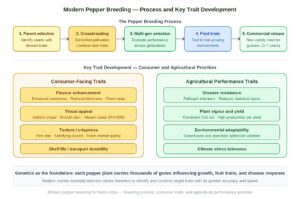
Pepper breeding is the scientific process of developing new pepper varieties by selecting plants with desirable traits and combining them through controlled crossbreeding. The goal is to produce plants that offer improved performance for both farmers and consumers.
Breeders begin by identifying parent plants that possess valuable characteristics such as strong growth, attractive fruit shape, or exceptional flavor. These plants are crossbred to produce offspring that combine the best traits of both parents.
The resulting plants are evaluated over multiple generations. Breeders observe factors such as plant vigor, fruit quality, disease resistance, and yield. Only the strongest plants are selected for further breeding.
This process requires patience and precision, often taking several years before a new pepper variety reaches the commercial market.
Key Traits in Modern Fresh Pepper Development
Modern breeding programs focus on a range of traits that determine whether a fresh pepper variety will succeed in the marketplace. Flavor is one of the most important characteristics, as consumers increasingly expect vegetables that deliver strong taste and freshness.
Appearance also plays a significant role. Uniform shape, smooth skin, and vibrant color help peppers stand out on grocery shelves and appeal to shoppers.
Breeders also prioritize shelf life and transport durability. Peppers that remain firm and fresh during shipping help reduce waste and ensure consistent quality across supply chains.
By combining these characteristics, breeders create peppers that satisfy both agricultural performance requirements and consumer expectations.
Flavor, Color, and Consumer Appeal
Consumer preferences strongly influence breeding priorities. Over time, breeding programs have developed peppers with enhanced sweetness and reduced bitterness, making them more appealing for raw consumption.
Color diversity is another important factor. Fresh peppers appear in a wide range of shades, including green, red, yellow, orange, and even purple. These colors not only add visual appeal but also indicate different stages of ripeness and nutritional content.
Texture is equally important. Crispness is a hallmark of high-quality peppers, particularly for varieties intended to be eaten fresh.
By understanding how consumers evaluate produce, breeders can develop pepper varieties that deliver an enjoyable eating experience while maintaining agricultural reliability.
Agricultural Performance and Grower Needs
Farmers depend on crops that are reliable and efficient to grow. Pepper breeding therefore emphasizes traits that improve plant performance in real-world agricultural environments.
Disease resistance is one of the most important agricultural traits. Many pepper crops are vulnerable to plant pathogens that can reduce yield and quality. Breeding resistant varieties helps protect crops and reduces the need for chemical treatments.
Plant vigor and productivity are also critical. Strong plants with consistent fruit production allow farmers to maximize harvests while maintaining stable supply levels.
Adaptability to different growing environments is another key factor. Some pepper varieties are optimized for greenhouse cultivation, while others perform better in open-field agriculture.
Genetics and Innovation in Pepper Breeding
Genetics forms the foundation of modern crop improvement. Each pepper plant contains thousands of genes that influence its growth, fruit characteristics, and resistance to environmental stress.
By studying these genes, breeders can identify which plants carry traits that improve crop performance. Genetic diversity among pepper varieties provides a rich pool of characteristics that breeders can combine to create improved plants.
Advances in genetic research have dramatically accelerated breeding programs. Scientists can now identify genetic markers associated with valuable traits such as disease resistance or fruit sweetness.
This knowledge helps breeders focus on the most promising plant combinations, reducing the time required to develop new varieties.

Technology Accelerating Crop Development
Technological advancements have transformed the breeding process. Modern breeding programs often incorporate genomic analysis, digital imaging systems, and advanced data analytics.
Genomic tools allow researchers to analyze plant DNA and identify genes responsible for specific traits. This information helps guide breeding decisions and speeds up the development of new pepper varieties.
Digital phenotyping tools allow scientists to monitor plant growth and fruit development using automated imaging systems. These technologies provide detailed insights into how plants respond to environmental conditions.
By combining traditional breeding knowledge with advanced technology, researchers can develop improved pepper crops more efficiently than ever before.
Sustainability in Fresh Pepper Agriculture
Sustainability has become a central concern in modern agriculture. Breeding programs play a crucial role in helping farmers produce crops more efficiently while reducing environmental impact.
Improved pepper varieties may require less water, fewer fertilizers, and reduced pesticide use compared to older varieties. These traits support environmentally responsible farming practices.
Breeding also helps create plants that tolerate challenging conditions such as heat, drought, or soil variability. These improvements allow farmers to maintain productivity even as climate conditions change.
Sustainable crop development ensures that agriculture can continue providing nutritious food while protecting natural resources.
The Future of Fresh Pepper Breeding
The future of pepper breeding will likely involve even more advanced scientific tools. Artificial intelligence is beginning to assist researchers in analyzing complex genetic data and predicting plant performance.
Climate resilience will remain a key priority as breeders work to develop crops capable of thriving in increasingly unpredictable environmental conditions.
Breeding programs will also continue exploring specialty pepper varieties that appeal to evolving consumer preferences. These may include peppers with unique shapes, flavors, or enhanced nutritional content.
As agricultural science progresses, fresh peppers will continue evolving into crops that meet the needs of both farmers and consumers.
Conclusion
Fresh peppers may appear simple, but the science behind them is remarkably complex. Through careful selection, genetic research, and technological innovation, breeders have transformed peppers into highly adaptable and productive crops.
Pepper breeding continues to drive improvements in crop performance, helping farmers produce reliable harvests while delivering flavorful produce to consumers.
As agricultural challenges evolve, modern breeding programs will remain essential for developing the next generation of fresh pepper varieties that support sustainable and resilient food systems.